Explore the Universe of Fair Trade Tea: Exceptional Brews That Advance Sustainable Practices
Fair Trade tea showcases a perfect equilibrium of caliber and integrity. Each cup grants a unique flavor profile while championing sustainable farming practices. This methodology not only elevates the tea pleasure but also assists marginalized farmers. Understanding its sources and validation frameworks discloses deeper layers of meaning. As consumers become more intentional about their picks, the impact of Fair Trade tea extends beyond flavor. What exists below the layer of these choices?
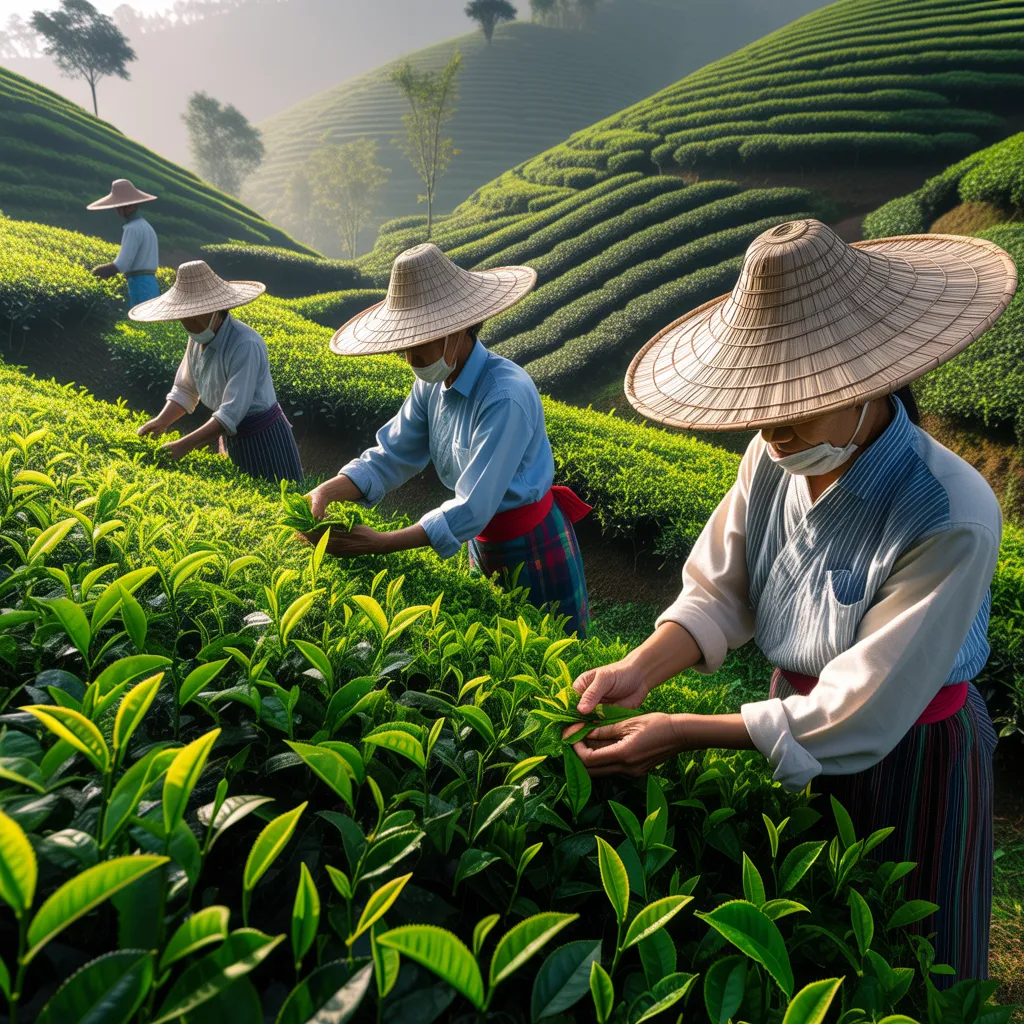
Explore the Beginnings of Fair Trade Tea
Fair Trade tea is grounded in the social and economic efforts aimed at strengthen the livelihoods of excluded farmers. Emerging in the late 20th century, this scheme sought to address imbalances in global trade, chiefly in developing countries where tea is frequently cultivated. The movement gathered pace as patrons became progressively conscious of the harsh truths confronted by independent cultivators, including unfair pricing and exploitation by large corporations.
Through collaborative partnerships, Fair Trade worked to empower these farmers, ensuring they received fair compensation and support for eco-friendly agricultural methods. The movement also focused on advancing environmental responsibility, encouraging organic farming and biodiversity. As awareness grew, Fair Trade tea turned into a representation of responsible purchasing, linking consumers directly with the origins of their beverages. By selecting Fair Trade tea, individuals contribute to a larger goal of social justice and economic equity, fostering a more sustainable future for tea-growing communities.
Comprehend ethical commerce for sustainable operations
Comprehending Fair Trade certification is crucial to recognizing how sustainable practices are upheld within the tea industry. This certification ensures that producers receive fair wages and work under safe conditions, which directly contributes to community development. Fair Trade standards promote environmentally sustainable farming methods, reducing the use of harmful chemicals and encouraging biodiversity.
Certification fosters clarity in the distribution network, permitting customers to trace their tea back to its source. By adhering to these standards, farms engage in methods that safeguard environmental assets and support local ecosystems. Additionally, Fair Trade groups often provide educational resources and training to farmers, empowering them to improve their farming techniques and economic stability.
In the final analysis, Fair Trade certification elevates the standard of tea while synchronizing purchasing choices with principled and eco-conscious beliefs, establishing it as an indispensable aspect of the tea industry's commitment to social accountability and ecological stewardship.
Browse Top Varieties of Fair Trade Tea
While many tea lovers appreciate the rich flavors and aromas of different teas, investigating the top varieties of Fair Trade tea reveals a greater dedication to ethical sourcing and sustainability. Some popular options include Fair Trade Assam, recognized for its strong, grain-forward flavor, and Fair Trade Darjeeling, often called as the "Champagne of teas" for its subtle flower-like characteristics. Another significant variety is Fair Trade Earl Grey, blended with bergamot, providing a distinctive citrusy flavor.
Furthermore, Fair Trade Green Tea, renowned for its invigorating qualities and health benefits, is increasingly favored among health-conscious consumers. Herbal blends, such as Fair Trade Chamomile and Peppermint, also stand out, providing soothing and calming effects. Each of these varieties not only provides exceptional flavor but also supports farmers and communities working for better livelihoods, making them a responsible choice for tea lovers seeking quality and ethical assurance.
Brewing Fair Trade Tea: Recommendations for a Exceptional Cup
To brew the perfect cup of Fair Trade tea, focus is crucial, since the best practices can enhance the tea's individual flavors and aromas. Initially, the quality of water is key; using spring water guarantees a clean taste that allows the tea's traits to come through. The water temperature is also essential; specific temperatures are needed for distinct teas; black tea requires boiling water and cooler is preferred for green or herbal varieties.
Then, the infusion time should be strictly observed. Oversteeping can produce bitterness, while brief steeping may not release the entire flavor range. A typical suggestion is 3-5 minutes for black tea and 2-3 minutes for green tea.
In conclusion, achieving the correct tea-to-water ratio enhances the flavor; one teaspoon of loose tea per cup is a fine reference point. By heeding these pieces of advice, tea devotees can truly enjoy the rich offerings of Fair Trade tea.
Environmental Impacts of Fair Trade Tea
Brewing Fair Trade tea not only elevates the tea experience but also backs sustainable agricultural practices that advantage the ecosystem. Fair Trade certification encourages farmers to use organic farming methods, which minimize the dependence on harmful pesticides and fertilizers. This method fosters biodiversity, helping to preserve local ecosystems and protect wildlife habitats.
Furthermore, Fair Trade approaches often highlight soil health and water conservation, ensuring that tea cultivation does not deplete essential resources. By supporting small-scale farmers, Fair Trade also fosters agroforestry, which merges tea cultivation with other crops and trees, further boosting environmental resilience.
Additionally, Fair Trade tea often contains eco-conscious wrapping and delivery systems, decreasing the carbon footprint connected to its distribution. In summary, choosing Fair Trade tea shows a deliberate commitment to foster a more sustainable agricultural system that honors both relevant article the Earth and its inhabitants.

The Way Your Tea Selection Supports Societies Worldwide
Opting for Fair Trade tea supports international communities by ensuring farmers receive just compensation and improved working conditions. This pledge confirms that tea cultivators can protect their livelihoods while allocating funds to their families and regional markets. By selecting Fair Trade tea, consumers help fund crucial community services, including learning and healthcare.
Fair Trade accreditation promotes responsible conduct, requiring companies to follow guidelines that emphasize employee protections and environmental sustainability. As a result, growers are motivated to grow high-quality tea, which not just enhances their income but also fosters satisfaction in their craft.
Furthermore, the immediate trading connections established through Fair Trade remove exploitative middlemen, allowing farmers to connect with consumers worldwide. This transparency cultivates trust and promotes a global recognition for the cultural importance of tea. Ultimately, each cup of Fair Trade tea serves as a symbol of the beneficial effect individuals can have on worldwide populations through conscious purchasing.
Regularly Posed Questions
How Can I Recognize Fair Trade Tea Products in Stores?
To pinpoint fair trade tea products in stores, one should seek accredited stamps, such as Fair Trade Certified or Rainforest Alliance. Additionally, looking into companies committed to ethical sourcing can facilitate making informed choices.
What Medical Advantages Are Linked to Fair Trade Tea?
Fair trade tea may yield assorted health gains, with heart-enhancing antioxidants, improved digestive function, and heightened mental acuity. Additionally, conscientious sourcing practices reinforce responsible agriculture, indirectly advancing a stronger ecosystem and enhanced community health.
Can I Find Ethically Sourced Tea in Online Marketplaces?
Yes, fair trade tea is widely available in online marketplaces. Various companies offer a variety of brands and blends, confirming consumers can easily access sustainable choices that champion both environmental stewardship and worker rights.
In What Ways Does Fair Trade Tea Impact Community Economies?
Fair trade tea beneficially affects local economies by providing farmers with fair wages, supporting community growth, and encouraging sustainable farming practices. This support improves living standards, promotes economic stability, and enables communities to invest in education and healthcare.
How Can I Store Fair Trade Tea to Maintain Maximum Freshness?
To maximize quality, fair trade tea should be kept in an sealed jar, away from pungent smells, moisture, and light. Maintaining it in a cool, dark place helps maintain its scent and taste over time.